KNOWLEDGE CENTER Explore component knowledge and practical guidance for purchasing, selection and supply planning. Understand component terminology, drawings, ratings and the conditions behind the data. Identify the exact part, interpret drawings and retain test conditions in a reviewable datasheet record. Understand pitch, contact orientation, mating thickness and actuator types before requesting an FPC/FFC connector. A connector current rating is meaningful only together with its conditions. Wire size, energized contacts, temperature, mating components and the test arrangement all matter. This article explains how to read those conditions and prepare useful questions; it does not prescribe a universal safe current or derating percentage. Contact resistance concerns the conducting path. Insulation resistance concerns paths that should remain electrically separated. A dielectric withstand test checks behavior under a specified voltage stress. The three measurements address different questions and cannot substitute for one another.[1][2] Tactile-switch feel can be discussed systematically, but words such as “softer” or “crisper” do not fully define a requirement. Force, travel, actuator height, electrical load and endurance describe different properties. This article explains the terms; the selection guide covers how to turn them into a shortlist. Mar 11, 2022 Thyristor working conditions: Mar 10, 2022 Types of thyristors Mar 09, 2022 Thyristor Mar 08, 2022 Triode test formula - can't test, move your mouth Mar 07, 2022 Triode test formula - along the arrow, the deflection is large Mar 06, 2022 Triode test formula - PN junction, fixed tube type Build an FPC/FFC selection request around cable ends, pin mapping, board space and operating conditions. Select the header, housing, contacts, wire and processing requirements as one wire-to-board interconnect. Review mating pairs, stack-height datums, footprints and electrical conditions against board-level constraints. Tactile-switch selection should begin with the panel and the user action, not a catalog force value. The result should be a shortlist for a defined mechanical, electrical and environmental context. This guide covers common interface switches and does not treat sample feel or catalog endurance as equipment approval. Start a connector RFQ by distinguishing purchasing an identified item from searching against requirements. The first task centers on orderable identity and delivery conditions; the second also needs mating, mounting and electrical constraints. A useful attachment answers a defined question rather than merely increasing the file count. Separate design constraints, candidate differences, document checks and physical validation in an alternative assessment. Prepare part identity, mating information, constraints and shareable evidence for a Chinese-brand alternative request. An FPC/FFC alternative assessment starts with the fixed cable, PCB and assembly conditions, not a claim of compatibility from matching pitch and positions. Document screening identifies candidates worth investigating; assembled and application verification determines suitability for a defined project revision. Record those stages separately. A wire-to-board alternative concerns the complete connection chain: header, housing, crimp terminal, wire and tooling. A similar housing does not establish terminal compatibility, cross-brand mating or reuse of the crimp process. This guide provides a mapping and verification method, not an untested interchangeability claim. Turn an engineering BOM into an RFQ with clear orderable part numbers, purchase quantities and delivery requirements. Distinguish date codes, lots and transaction records, and retain traceability through packaging splits and documents. Component quotations are comparable only when they address the same purchasing task. Differences in identity, quantity, packing, delivery or documentation make a simple unit-price ranking misleading. This article provides a clarification method, not market-price advice or an interpretation of contracts, tax or trade rules. After receiving a product-change or discontinuation notice, verify the source, identify affected BOMs and coordinate purchasing, technical and quality actions. A screenshot or forwarded warning is a lead, not sufficient justification for speculative stock purchases or unapproved substitutions. This guide makes no claim about current shortages. PURCHASING GUIDE A checklist for part numbers, quantities, schedules and approval requirements before you send a sourcing inquiry. Organize low-voltage control and I/O component requirements by control, signal chain, power, interconnect and protection. Component planning for an industrial robot should separate the cabinet, control board, I/O modules and moving assemblies. This article covers connection, harness and protection requirements for control and I/O modules. It does not provide motion algorithms, power drives or functional-safety design, and it does not translate component ratings into robot-system performance. Civil UAV component planning should distinguish flight control, companion computing, payloads and power before defining interconnect, space, mass and environment. This article addresses civilian inspection and mapping modules. Flight control, system integration and flight validation remain project responsibilities; component information alone does not establish endurance or flight reliability. Component planning for an industrial edge-AI device should focus on interfaces, power, cooling and version relationships between compute module and carrier board, not just a compute-performance headline. This article addresses industrial hosts and boards, not AI-model benchmarking or a promise of complete software and system delivery. Better information. Clearer purchasing decisions.
Component Knowledge
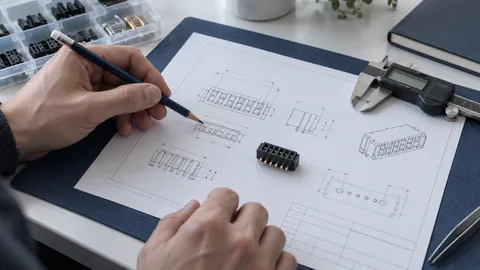
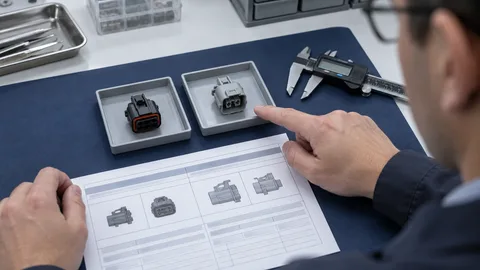
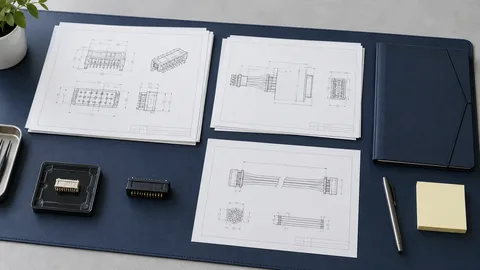
How to Read a Connector Datasheet: Drawings, Ratings and Test Conditions
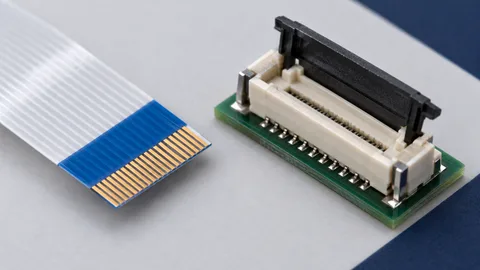
FPC/FFC Connector Basics: Pitch, Contact Orientation and Locking Mechanisms
Understanding Connector Current Ratings and Derating
Contact Resistance, Insulation Resistance and Withstand Voltage
Tactile Switch Parameters: Force, Travel, Life and Mounting
More component articles
Thyristor working conditions:
Types of thyristors
Thyristor
Triode test formula - can't test, move your mouth
Triode test formula - along the arrow, the deflection is large
Triode test formula - PN junction, fixed tube type
Selection Guides
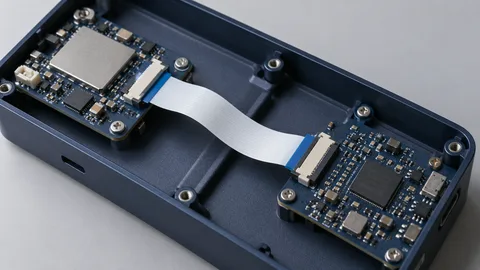
FPC/FFC Connector Selection Guide: From Cable Dimensions to Assembly Space
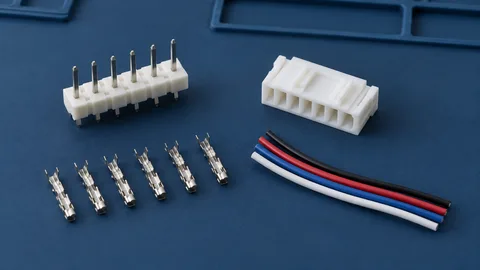
Wire-to-Board Connector Selection: Current, Wire Size, Contacts and Retention
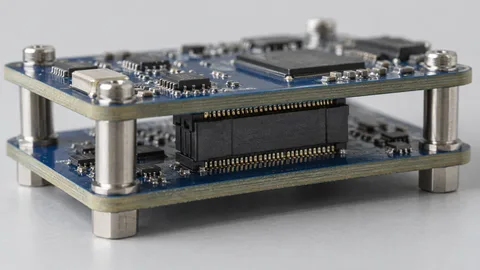
Board-to-Board Connector Selection: Pitch, Stack Height and Mating Configuration
Selecting Tactile Switches for Feel, Life and Assembly
What to Include in a Connector RFQ and Sample Request
Alternative Center
Evaluating Chinese-Brand Connector Alternatives: Mechanical, Electrical and Assembly Checks
How to Prepare a Request for Chinese-Brand Component Alternatives
Assessing FPC/FFC Connector Alternatives
Wire-to-Board Alternatives: Housing, Terminals and Mating
Supply Chain Insights
How to Prepare a BOM RFQ: Part Numbers, Quantities and Delivery Requirements
Component Traceability: Date Codes, Lots and Supporting Documents
Comparing Component Quotes Beyond Unit Price
Responding to Product Change and Discontinuation Notices
BOM preparation guide
Industry Applications
Component Requirements in Industrial Control Equipment: Control, Power, Interconnects and Protection
Components for Robot Control and I/O Modules
Component Planning for UAV Control and Payload Modules
Interfaces, Power and BOM Planning for Edge AI Devices
HOME