
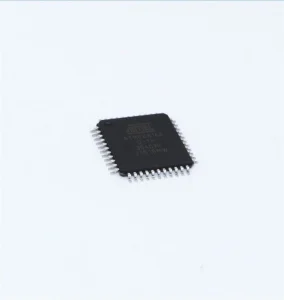
Microcontroller MCU ATMEGA16A-AU
The ATmega16A is a low-power CMOS 8-bit microcontroller based on the AVR enhanced RISC architecture. By executing powerful instructions in a single clock cycle, the ATmega16A achieves throughputs
The ATmega16A is a low-power CMOS 8-bit microcontroller based on the AVR enhanced RISC architecture. By executing powerful instructions in a single clock cycle, the ATmega16A achieves throughputs
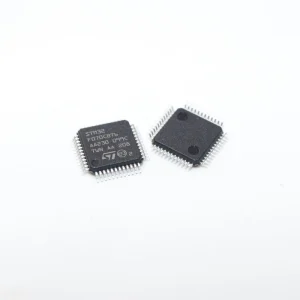
The STM32F070CBT6 microcontroller is a powerful and versatile device. ARM®-based 32-bit MCU, up to 128 KB Flash, USB FS 2.0, 11 timers, ADC, communication interfaces, 2.4 - 3.6 V.
STM32F105RBT6
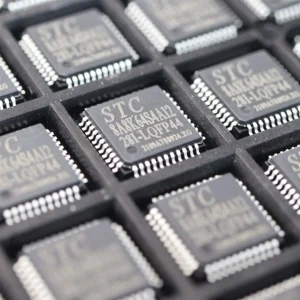
STC8 series single-chip microcomputer is currently the world's fastest 8051 single-chip microcomputer
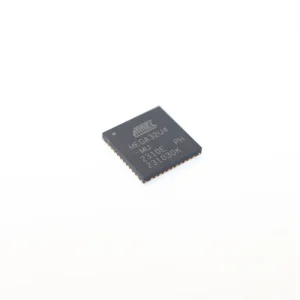
The AVR core combines a rich instruction set with 32 general purpose working registers. All the 32 registers are directly connected to the Arithmetic Logic Unit (ALU), allowing two independent
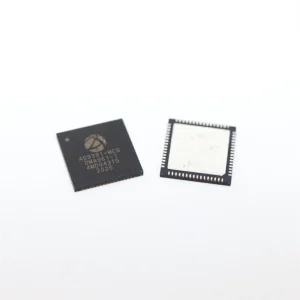
AG9391-MCQ
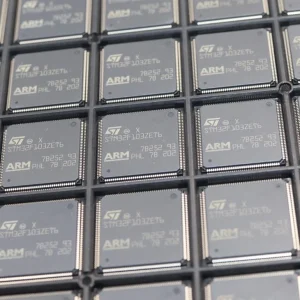
The STM32F103xC, STM32F103xD and STM32F103xE performance line family incorporates the high-performance ARM Cortex-M3 32-bit RISC core operating at a 72 MHz frequency, high-speed embedded memories
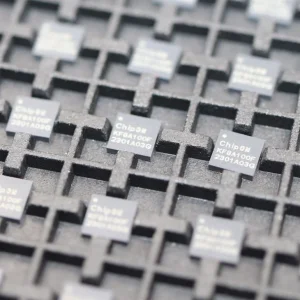
Microcontroller MCU KF8A100FNG is an advanced and high-performance device used in various electronic applications. It is designed with cutting-edge technology and offers superior functionality that
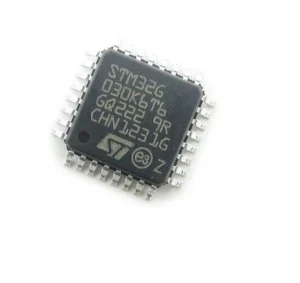
Features • Core: ARM® 32-bit Cortex®-M0 CPU, frequency up to 48 MHz • Memories – 16 to 256 Kbytes of Flash memory – 4 to 32 Kbytes of SRAM with HW parity • CRC calculation unit • Reset and power
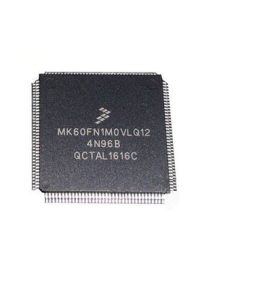
The K64 product family members are optimized for cost-sensitive applications requiring low-power, USB/Ethernet connectivity, and up to 256 KB of embedded SRAM. These devices share the comprehensive
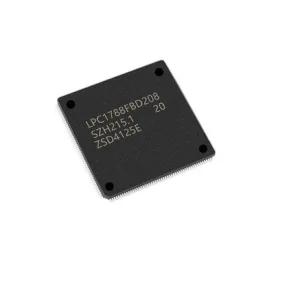
The LPC178x/7x is an ARM Cortex-M3 based microcontroller for embedded applications requiring a high level of integration and low power dissipation. The Cortex-M3 is a next generation core that offers
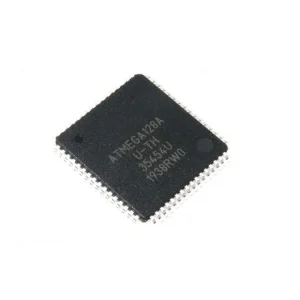
The Atmel®AVR® core combines a rich instruction set with 32 general purpose working registers. All the 32 registers are directly connected to the Arithmetic Logic Unit (ALU), allowing two