
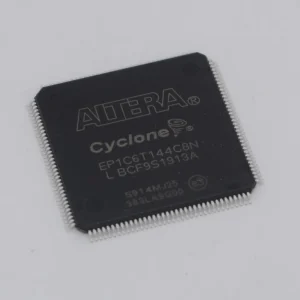
EP1C6T144C8N
Altera megafunction and Altera MegaCore function support, and Altera Megafunctions Partners Program (AMPPSM) megafunction support, for a wide range of embedded processors, on-chip and off-chip
Altera megafunction and Altera MegaCore function support, and Altera Megafunctions Partners Program (AMPPSM) megafunction support, for a wide range of embedded processors, on-chip and off-chip
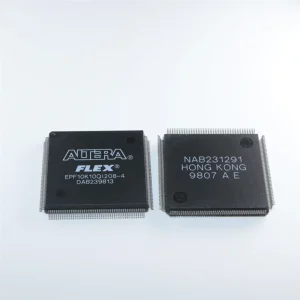
Altera’s FLEX 10K devices are the industry’s first embedded PLDs. Based on reconfigurable CMOS SRAM elements, the Flexible Logic Element MatriX (FLEX) architecture incorporates all features necessary
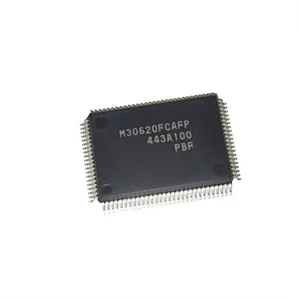
The M3062LFGPFP is a 16 bit CMOS Series Microcontroller.
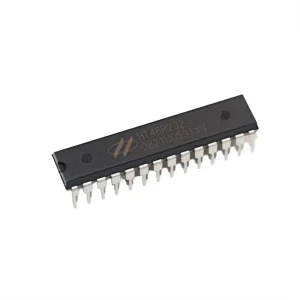
The HT46R232 is a 8 bit high-performance RISC reduced instruction set microcontroller.
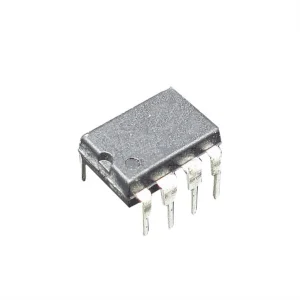
LM5155x-Q1 is an asynchronous boost controller that adopts peak current mode control and has a wide input range. This device can be used for boost, SEPIC, and flyback topologies.
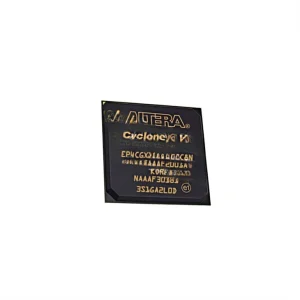
The CY7C342B is an Erasable Programmable Logic Device (EPLD) that utilizes CMOS EPROM cells for configuring logic functions within the device.
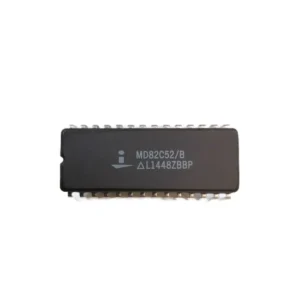
The Intersil 82C52 is a high performance programmable Universal Asynchronous Receiver/Transmitter (UART) and Baud Rate Generator (BRG) on a single chip.
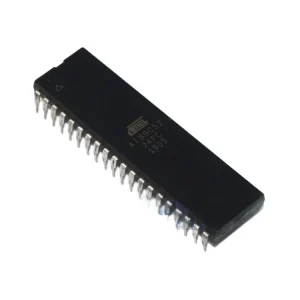
The AT89C52 is a low-power, high-performance CMOS 8-bit microcomputer with 8K bytes of Flash programmable and erasable read only memory (PEROM).

ATSAM3X8EA-AU is a member of a family of Flash microcontrollers based on the high performance 32-bit ARM Cortex-M3 RISC processor. It operates at a maximum speed of 84 MHz and features up to 512
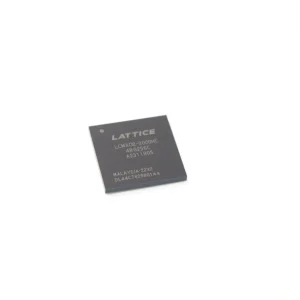
LCMXO2-2000HC-4BG256C is a programmable device that includes a low power FPGA fabric and a rich set of features. Its key benefits include low power consumption, compact form factor, and high
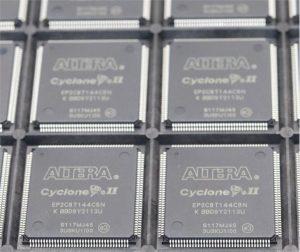
programmable logic device
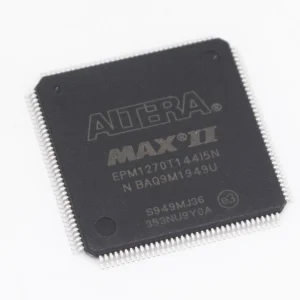
The MAX® II family of instant-on, non-volatile CPLDs is based on a 0.18-µm, 6-layer-metal-flash process, with densities from 240 to 2,210 logic elements (LEs) (128 to 2,210 equivalent macrocells)