
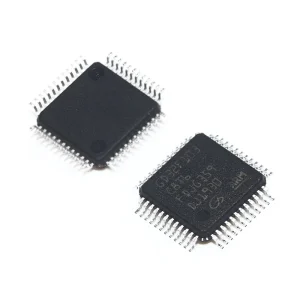
GD32F103C8T6
The GD32F103xx device is a 32-bit general-purpose microcontroller based on the ARM CortexTM-M3 RISC core with best ratio in terms of processing power,reduced power consumption and peripheral set.
The GD32F103xx device is a 32-bit general-purpose microcontroller based on the ARM CortexTM-M3 RISC core with best ratio in terms of processing power,reduced power consumption and peripheral set.
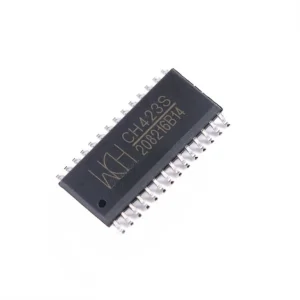
CH340 is a USB bus adapter chip that enables USB to serial or USB to print ports.
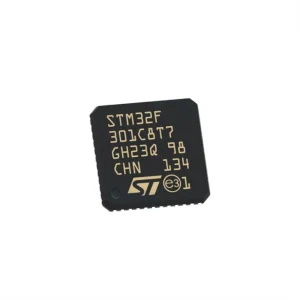
The STM32F301x6/8 family is based on the high-performance ARM® Cortex®-M4 32-bit RISC core operating at a frequency of up to 72 MHz and embedding a floating point unit (FPU).
The STM32H743IIT6 is an incredible 32-bit Arm® Cortex®-M7 480MHz MCU that boasts an impressive range of features.And it have up to 2MB Flash, up to 1MB RAM, 46 com. and analog interfaces.
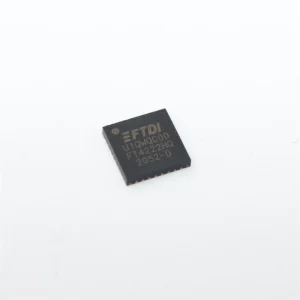
The device is an 8-bit high performance RISC-like microcontroller designed for multiple I/O product applications.
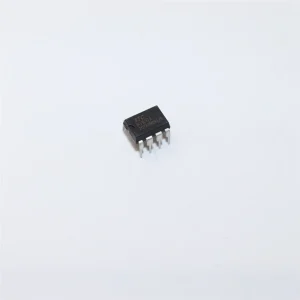
STC8G1K17A
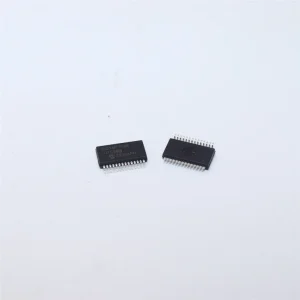
The PIC16F193X/LF193X devices are described within this data sheet. They are available in 28/40/44-pin packages. Figure 1-1 shows a block diagram of the PIC16F193X/LF193X devices. Table 1-1 shows the
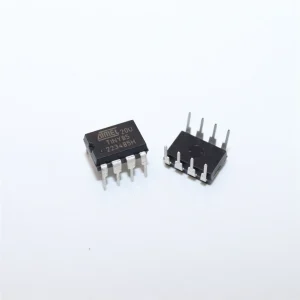
The ATtiny25/45/85 is a low-power CMOS 8-bit microcontroller based on the AVR enhanced RISC architecture. By executing powerful instructions in a single clock cycle, the ATtiny25/45/85 achieves
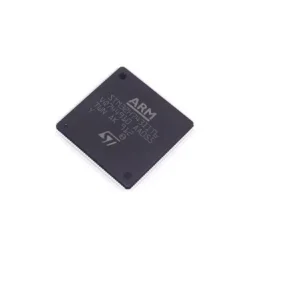
STM32H743xI devices are based on the high-performance Arm® Cortex®-M7 32-bit RISC core operating at up to 400 MHz. The Cortex® -M7 core features a floating point unit (FPU) which supports Arm®
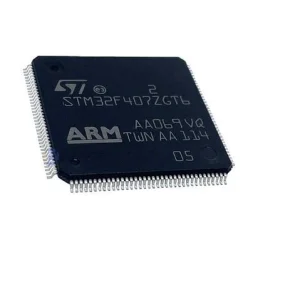
All devices offer three 12-bit ADCs, two DACs, a low-power RTC, twelve general-purpose 16-bit timers including two PWM timers for motor control, two general-purpose 32-bit timers. a true random
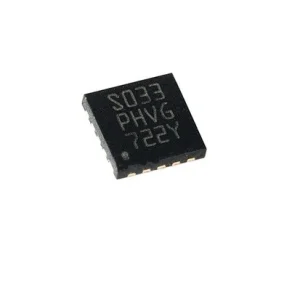
Features Core 16 MHz advanced STM8 core with Harvard architecture and 3-stage pipeline Extended instruction set Memories Program memory: 8 Kbyte Flash memory; data retention 20 years at 55 °C
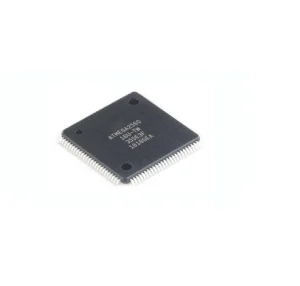
The device is manufactured using the Atmel high-density nonvolatile memory technology. The On-chip ISP Flash allows the program memory to be reprogrammed in-system through an SPI serial interface, by